Hüppa põhisisu juurde

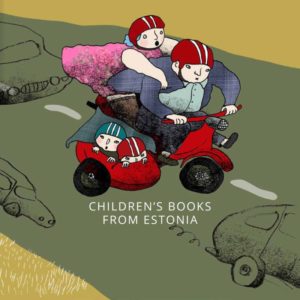
NEW Catalogue Children’s Books From Estonia 2019

The brand new catalogue Children’s Books From Estonia 2019 is used to introduce Estonian children’s and young-adult literature. The catalogue includes information about new popular and critically acclaimed books.

The books have been grouped based on the age groups of prospective readers and the selection includes works that have a potential to be of interest to foreign publishers. In addition to a short summary of the works, the catalogue also includes short informative introductions of the authors and illustrators. Also, the pages of the catalogue are designed with illustrations from the books introduced. Longer works are introduced with reading samples.

The catalogue was created by Helena Koch, Jaanika Palm, Anu Kehman and Ülle Väljataga.

Texts are translated into English by Adam Cullen and Susan Wilson. Cover photo is by Anne Pikkov and design by Katrin Kaev.
Printed in Estonia by Printon.

DOWNLOAD PDF: Children’s Books From Estonia

Kertu Sillaste will perform in Leipzig and Berlin in March

An Estonian picture book author and illustrator Kertu Sillaste will introduce her book Everyone Makes Art Their Own Way to the German audience in Spring 2019. Interested parties can read the book and take part in Sillaste’s Paper Sculpture Workshop on March 21 in Leipzig during the Leipzig Book Fair and on March 22-23 in Berlin.

„Everyone Makes Art Their Own Way is a book that is fun to look at and fun to read. But I am convinced that it also harbors a lot of ideas on how to create and talk about art with children. By being present at the fair as an author, I can provide children with the experience of creating art, as well as offer ideas to teachers and the fair audience on how to use the book independently“, Sillaste adds.

Sillaste will introduce her book in the Leipzig Book Fair and Pablo Neruda Elementary School on March 21st. She will also speak in Berlin and appear on March 22nd in the OstPost bookstore and on March 23rd in the Krumulus bookstore that was voted the best bookstore in Germany in 2018. Book lovers can also participate in Sillaste’s workshops in both locations.

Sillaste will participate in the Leipzig Book Fair as a part of the fair program of the Estonian Publishers’ Union and the Estonian Children’s Literature Center.

Everyone Makes Art Their Own Way is the second Sillaste’s book that has been translated to German. First introduction to her work was provided to the German audience in 2017 when the book No, It Isn’t So! was published.

Sillaste’s performances in Berlin have been organized in cooperation with the publishing house Kullerkupp. The moderator of the events in Leipzig and in Berlin is Carsten Wilms, the translaator and publisher of the books.

See also


Kultuurkapitali lastekirjanduse preemia pälvis Andrus Kivirähk

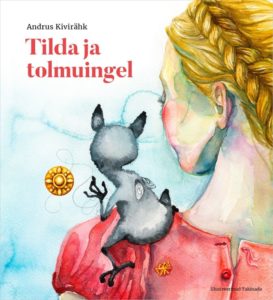
14. märtsil 2019 kuulutati Tallinna Kirjanike maja musta laega saalis välja kultuurkapitali kirjanduse sihtkapitali aastapreemiad. Lastekirjanduse kategoorias pälvis laureaaditiitli Andrus Kivirähk oma teose “Tilda ja tolmuingel” eest. 

Laureaadi valis välja kirjanduse sihtkapitali poolt nimetatud žürii, kes hindas eelmisel aastal ilmunud tekste. Lastekirjanduse hulgast valisid parima Jaanus Vaiksoo, Mari Niitra ja Triin Soone. Žürii esimehe Jaanus Vaiksoo sõnul näitab Andrus Kivirähki “Tilda ja tolmmuingel” kirjaniku mitmekülgsust ja väga head stiilitunnetust.

Autor on kõnelenud, et raamat sündis tema varasematest teostest pisut teistmoodi. Esmalt olid olemas pildid ühest kummalisest elukast, mille joonistas kunstnik Takinada (Irina Šabarova). Tema pöörduski Kivirähki poole ja tegi ettepaneku, et sellest tegelasest võiks olla ka mingi lugu või raamat.

Sellest kummalisest elukast saigi auhinnatud teose eripärane peategelane – tolm. Paljude jaoks olmelist nuhtlust tähistav tolm toob raamatu keskmesse mineviku, mälu ja meenutamise. “Kivirähk võrdleb tolmu pehme samblaga, kassipoegade ja mesilassülemiga. Tolm oskab imekenasti tantsida ning päikeselaikudes heljuda. Tolm on miski, milles sisalduvad minevik ja mälestused. Kui tolmu poleks, poleks inimestel ka mälestusi olnust,” ütleb raamatu ainese kohta lastekirjanduse uurija Jaanika Palm.

Lisaks Kivirähki raamatule olid lastekirjanduse preemiale nomineeritud ka Aino Perviku „NummiPealt ja mujalt”, Priit Põhjala „Onu Mati, loomaarst”, Anti Saare Pärdi lugude sari: „Pärt ja ploomid”, „Seisa siin, Pärt”, „Pärt ja viimane koogitükk” ning Kertu Sillaste „Mina olen kunstnik”.

Kirjanduse sihtkapitali aastapreemiad antakse kätte igal aastal emakeelepäeval, 14. märtsil. Preemiad määratakse eelmisel kalendriaastal esmakordselt ilmunud parimale teosele igas kirjandusliigis (proosa, luule, esseistika, vabaauhind, näitekirjandus, ilukirjanduslik tõlge võõrkeelest eesti keelde, ilukirjanduslik tõlge eesti keelest võõrkeelde, mõttekirjanduse tõlkeauhind, lastekirjandus, venekeelse autori kirjandusauhind ja artikliauhind). Kultuurkapitali lastekirjanduse preemia asutati 1970. aastal.

Varasemad lastekirjanduse preemia laureaadid leiab siit.
Teiste kategooriate laureaatide kohta leiab infot siit.

Andrus Kivirähk received the Annual Children’s Literature Award

The Estonian Cultural Endowment announced its Annual Literary Awards on the national language day, the 14th of March. The laureate title in the children’s literature category was awarded to the beloved author Andrus Kivirähk who received the honour for his novel Tilda and the Dust Angel.

The laureate was selected by a jury named by the literature endowment. Members of the jury included children’s author Jaanus Vaiksoo (head of the jury), literary scholar Mari Niitra and the head of the Estonian Children’s Literature Center Triin Soone. The jury made their selection from children’s books published last year. Vaiksoo noted that Tilda and the Dust Angel showcased its author’s versatility and great sense of style.

Kivirähk has noted in pre-publication interviews that this book had a different origin story than the rest of his works. First he saw pictures of a rather peculiar creature made by the artist Takinada (Irina Šabarova). She was the one who approached Kivirähk and suggested that this character could provide a basis for a story or a book.

That peculiar creature became the special lead character of the book – the dust angel. For so many people dust represents just a domestic nuisance. In this book, however, it brings the topics of past, memory and remembering to the foreground. “Kivirähk compares dust to soft moss, to kittens and to a swarm of bees. Dust can dance effortlessly and float in a sun spot. Dust is something that contains memories and the past. If there was no dust, people would have no memories”, says children’s literature researcher Jaanika Palm.

Other nominees in the children’s literature category included Aino Pervik for From BonnyHead and Beyond, Priit Põhjala for Uncle Mati, Veterinarian, Anti Saar for The Pärt Series, and Kerttu Sillaste for I am an Artist.

The Annual Children’s Literature Award of the Cultural Endowment of Estonia is one of the Cultural Endowment of Estonia’s annual literary awards, which continues the tradition of recognizing outstanding Estonian writing that began in 1970 (the Cultural Endowment has given out these awards since 1995). Each year on Estonian Language Day (14 March), authors of the best original works in a number of different literary categories receive monetary prizes.

Former laureates are named here.

Info about laureates in other categories can be found here.

Piret Raud at the Leipzig Book Fair on the 22nd of March

On the 22nd of March 2019 Piret Raud presents her new Picture Book published by Thames & Hudson at the Leipzig Book Fair. The event takes place at 11am in Kinderforum (Lesebude 1: Halle 2, Stand 410/G411).  

One morning, the Ear wakes up. Something is completely out of the ordinary: she’s all alone. Where is the head on whom she’s lived her entire life? How should she carry on? The world is so big and I’m so alone, she mourns, confused and utterly headless! What good is an ear without a head? she sobs. Without a head, I’m no one! But then, the Ear hears a croak. Is it someone who might need her?

Piret Raud’s picture book The Ear is inspired by the life of Vincent van Gogh.

Piret Raud (1971) is the most successful contemporary Estonian children’s writer and illustrator. She graduated from the Estonian Academy of Arts in graphic arts, and initially set off on the same path. After trying her hand at writing, Raud has since become the most renowned and widely-translated children’s author in Estonia. She has written 18 titles (six of which were commissioned by Japanese, French, and British publishers), has been translated into 13 different languages, and has illustrated more than 50 titles. Her writing has received spectacular recognition both at home and abroad. She was included on the 2012 IBBY Honour List as writer and in 2018 as illustrator, in the 2010 and 2013 White Ravens catalogue, and was awarded the Estonian Order of the White Star, IV Class in 2016.

See also:
The Ear (Thames & Hudson)
Leipzig Book Fair 

Poet Contra will visit the UK this March

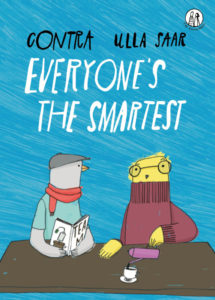
The beloved poet Contra will introduce his newly translated children’s poetry collection Everyone’s the Smartest to the audience in the UK at the end of March. The book was published in English by The Emma Press.

The Author will introduce his book on the 23rd of March during the Bournville BookFest, which is a book festival dedicated to children’s literature. The performance will be bilingual and his poems will be recited both in English and in Estonian. On March 24th Contra will also visit the Estonian School Keelekindlus and on March 25th and 26th he will meet the students of Anglesey Primary School and Somerville Primary School. Additionally, the author will perform in the Burton Library and in the Macdonald Burlington Hotel.

Everyone’s the Smartest is the first book by Contra that has been translated into a foreign language. The poems were translated into English by Charlotte Geater, Kätlin Kaldmaa and Richard O’Brien. Illustrations are made by Ulla Saar. In 2020 the book will also be published by the Latvian publishing house Liels Un Mazs.

Contra’s performances in the UK are supported by the Estonian Cultural Endowment.

Photo: Dmitri Kotjuh

Happy Miia received an Award in Latvia

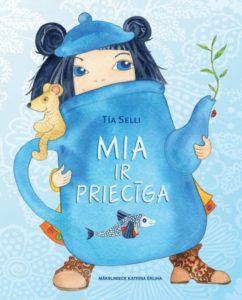
Tiia Selli’s and Katrin Ehrlich‘s children’s book “Rõõmus Miia” (Happy Miia) received an award in the reading program Children, Young Adults and Parents Jury 2018. The program is organized by the Latvian Children’s Literature Center and it involves young readers from all across the country. 

Readers judge books (incl. translated literature) selected by a group of experts. Judges are divided into 5 age categories: children’s jury of 5+ year olds; children’s jury of 9+ year olds; youth jury of 11+ year olds;  youth jury of 15+ year olds and parents jury. The jury of every age group reads and judges 6 books selected by specialists of children’s literature. Young Latvian readers enjoyed Happy Miia and the book’s wonderful illustrations a lot and kids in the age category 5+ awarded it with the 3rd prize.

The results of the program were announced on the 9th of March 2019 during The Great Reading Festival held in the Latvian National Library in Riga. The festival was attended by writers, librarians, publishers, translators, illustrators and active readers.

The book Happy Miia was published in 2012 by the Estonian publishing house Dolce Press and in 2017 by the Latvian publisher Jāņa Rozes apgāds. The book was translated into Latvian by Maima Grīnberga. In 2018 it was awarded the most prestigious children’s literature award in Latvia, the Jānis Baltvilks’ award.

Märts 2019. Piret Raud „Kõrv“

Nüüdisaja visuaalirõhuga kirjandussituatsioonis pole uue pildiraamatu ilmumine kuigivõrd eriline sündmus. Kui just ei ole tegemist väga hea teosega. Meie edukaima lastekirjaniku Piret Raua uus raamat „Kõrv“ on eriline veel ka seepärast, et see ilmus kõigepealt maineka Inglise-Ameerika kirjastuse „Thames & Hudson“ tellimusena inglise keeles. Eestikeelse variandi andis aga välja kirjastus Tänapäev.

Raamatu peategelaseks on kõrv, kes ühel hommikul üles ärgates leiab end päris üksi olevat. Pea, kellega kõrvuti on ta elanud kogu oma elu, on kadunud. Kõrv on suures segaduses ning tunneb end üksiku ja väärtusetuna. Siis aga kuuleb ta, kuidas keegi krooksub – konn vajab kuulajat. Peagi on kohal teisedki, kel vaja justnimelt kõrva, mitte pead. Nõnda võiks lühidalt kokku võtta Piret Raua värske lasteraamatu sisu. Kuid raamatu ridade vahele, kõrvale, üles ja alla on peidetud väga palju enamat.

Olen „Kõrva“ tänaseks lugenud paarkümmend korda, erinevas meeleolus ja situatsioonides. Vahel on teos tundunud mustavalt masendav, teinekord kevadiselt optimistlik, kord rääkinud ennekõike lahutusest, siis eneseleidmisest, vahetevahel on kumanud rohkem läbi üksteise kuulamise teema, siis jälle sõprade, nn oma inimeste leidmise lugu. Kord rongis sõites taas teost sirvides hakkas tunduma, et kõrvaraamat on kui vahejaam, millest iga lugeja oma suunas edasi sõidab. Tore, kui vahel ka lugejat usaldatakse ja edasiste valikute tegemine tema hooleks jäetakse.

Lisaks mõtterohkusele väärib eraldi esiletõstmist Piret Raua rikas keelekasutus. Pole meil just ülemäära palju kirjanikke, kes valdaks erinevaid keeleregistreid, kasutaks kõne- ja kõlakujundeid nii loomulikult ja lihtsalt, et lugejal jääb üle ainult nautida ja imestada. Ei mingit peenutsemist või uhkeldamist sealjuures. Sama kehtib ka Pireti illustratsioonide kohta. Ta on üks meie omapärasemaid autoreid, kes võrdselt andekas nii kirja- kui illustreerimiskunstis. Kõik need täpid, keerud, tilgad toonitud valgel – imekena, kuid samas loomulik ja naturaalne, päris.

Kuigi Piret Raud on ikka armastanud teemasid, mida lastekirjanikud väga näppima ei kipu, jõudis mulle just „Kõrvaga“ kuidagi eriti selgelt kohale, et Raud ei kirjuta lasteraamatuid, tema teosed on ea-ülesed. Neid ei naudi mitte ainult mudilased ja lapsed, vaid ka vanemad ja vanavanemad. Ju on see lihtsalt kirjandus, kunst selle kõige paremas, õilsamas tähenduses ilma ainsagi piirita.

Illustreerinud Piret Raud
Tänapäev, 2018
32 lk

Lastekirjanduse uurija Jaanika Palm
Külalised Kihnust lastekirjanduse keskuses 14. märtsil

Emakeelepäeval, 14. märtsil 2019 kell 12 õpetavad Eesti Lastekirjanduse Keskuses lastele kihnu keelt ülemere külalised Kolde Külli ja Nõlvaku Evi.

„Obo oob. Obo’ss oob ve? Küll oob!“

Kui nüüd öelda, et „obo“ on hobune ja „oob“ ujub, kas siis läheb teksti mõistmine lihtsamaks? Kihnu keele õppimiseks on välja antud mitmeid raamatuid, nagu näiteks maailma esimene kihnukeelne „Aabets“ ja tähtede õppimise raamat „Aett, eit ning mia“. Nende kirjutamisel on nii Külli Laos kui ka Evi Tõeväli asjaosalised olnud. Koos autoritega õpime emakeelepäevasel kohtumisel kihnukeelseid sõnu, mängime mänge ja saame Kihnu saarega tuttavamaks.

Kes aga tahab kihnu keele laulvat kõla kohe kuulda, võib järelkuulata iganädalaseid Vikerraadio saateid „Kihnukeelsed uudised“, kus noor reporter Kase Kai südikalt siin- ja sealpool merd elavatele kihnlastele uudiseid jagab.

Lisainfo ja klassiga registreerumine:
Anneli Kengsepp
anneli@elk.ee

Tiia Selli ja Katrin Ehrlichi „Rõõmus Miia“ pälvis tunnustuse Lätis

Tiia Selli lasteraamat „Rõõmus Miia“, mille on illustreerinud Katrin Ehrlich, pälvis auhinna Läti Lastekirjanduse Keskuse korraldatud lugemisprogrammis „Laste-, noorte- ja lapsevanemate žürii 2018“.

Programmis osaleb lugejaid üle kogu Läti. Osalejad hindavad lastekirjanduse ekspertide poolt välja valitud teoseid (sh tõlkekirjandus) viies vanuserühmas: lastežürii 5+; lastežürii 9+; noortežürii 11+; noortežürii 15+; lapsevanemad. Igas vanuserühmas loetakse 6 teost ja antakse neile hinnang. „Rõõmus Miia“ ja selle toredad illustratsioonid meeldisid läti noortele lugejatele väga ja lapsed vanuses 5+ andis raamatule kolmanda koha.

Programmi tulemused kuulutati välja 9. märtsil 2019 Riias Läti Rahvusraamatukogus toimunud Suurel Lugemisfestivalil, millest võtsid osa raamatukogud, kirjanikud, kirjastajad, tõlkijad, illustraatorid ja aktiivsed lugejad.

Raamatu “Rõõmus Miia” andis aastal 2012 Eestis välja kirjastus Dolce Press ja aastal 2017 Lätis kirjastus Jāņa Rozes apgāds. Raamatu tõlkis läti keelde Maima Grīnberga. Aastal 2018 pälvis raamat Jānis Baltvilksi auhinna, mis on kõige olulisem lastekirjanduse auhind Lätis.